
There is a theme that runs through my life, one it took years to see clearly. The endings never came from me choosing to walk away. They came once the structure around me had already collapsed and left me with no other option.
A clear example sits in my years in the motor industry. I set out with one goal: move from debtor's manager to dealer principal. It took 8 years to reach it, and I had no real sense, when I began, of what the climb would cost me and my daughter. By year 7, I already knew the career would not give me the one thing I wanted most: to be a present and involved mother. I started looking for a way out. I enrolled in an interior decorating qualification and abandoned it halfway through, telling myself the industry would be too hard to break into. Instead of leaving, I turned back towards the career that was wearing both of us down. Within a year I reached the goal I had set 8 years earlier. I was promoted to dealer principal. The financial reward was real. The stress was too, and so was the cost to my family.
I did not leave. By the end of year 8, structural changes closed my dealership, and my role stopped existing. I had known for a year that I was ready for change. When it was inevitable, I embraced it and became a coach. The company offered me another dealer principal role elsewhere. I turned it down.
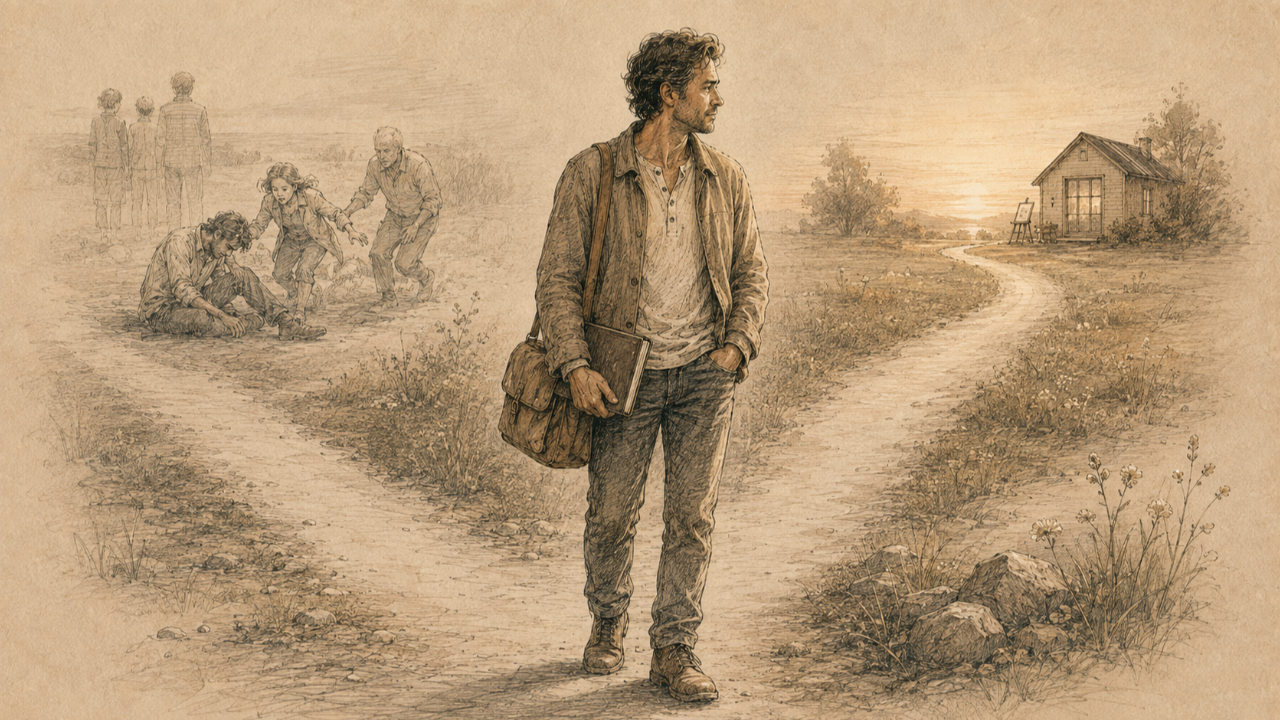
On its own, that story explains nothing unusual. Every decision inside it sounds reasonable. The pattern becomes visible once I step back far enough to see it repeat, across careers, relationships and identities I had already outgrown, each time waiting for the collapse rather than choosing the exit myself. What would make a person behave that way, on repeat?
Go back far enough, and the answer sits in early childhood, well before any of this had language. At 2, my brother's birth registered as the loss of my mother. At 4, my grandfather died suddenly. At 6, my family left South Africa for Ireland, and everyone and everywhere familiar to me disappeared at once. None of those events would necessarily be classified as trauma. For a brain still building its map of the world, the lesson encoded itself regardless: people and places I love can be taken away without warning. The identity agreement formed right there, long before I had any real say in it.
A strategy formed alongside it. The more I appeared to cope, adapt and reinvent myself after each loss, the calmer my parents became, and the safer everything felt. Over-controlling, over-coping and staying however hard it got became the way I kept the ground steady beneath me. Leaving started to mean failure, quitting, letting people down. Staying became a badge of honour. The permitted exit was never one I chose myself. It was a collapse that gave me a reason nobody could argue with.
There was a second reward running alongside the first, quieter and no less real. Every time I stayed, adapted and rebuilt, people told me how strong I was, how impressive it was that I always found a way through. The recognition felt good. It felt earned. The identity profit is the private payoff for compliance, the reason a costly strategy keeps reinforcing itself long after it has stopped serving you. The identity agreement decides what you must protect. The strategy decides how you protect it. The profit is what makes the whole arrangement feel worth keeping, even as it costs you.
None of the actual losses was mine to control. I had no say in a grandfather's death or a family's move across the world, nor in the closure of the dealership. What I did control, every time, was how long I stayed once I already knew a season had ended. The cost of overstaying was real, financially and emotionally, for me and for the people closest to me.
I no longer wait for the collapse. When I sense that something has reached its natural end, I pay attention to it rather than override it. I ask what else might be true or possible, beyond what the old agreement is offering me. Asking that question alone has been enough to show me, more than once, that leaving is not the same as failing, and that I do not have to wait for the walls to come down before I am allowed to go.
You will likely recognise your own version of this if you look for the moments that carry a familiar weight, the sense that you are living out the same dynamic again in a new setting. The recognition itself is the first real clue.
From there, two questions do the rest of the work.
What pain or shame might you have avoided by behaving the way you did, and
What did you, or others, say about you in those moments that felt good to hear, even secretly?
The first question points to the strategy you built. The second points to the profit that keeps it running.
If you want a guide through what those questions bring up, book a complimentary Neural Pattern Mapping session:
Much love,




Responses