
“This ends with me.”, she says quietly, as if remembering the promise rather than making it again.
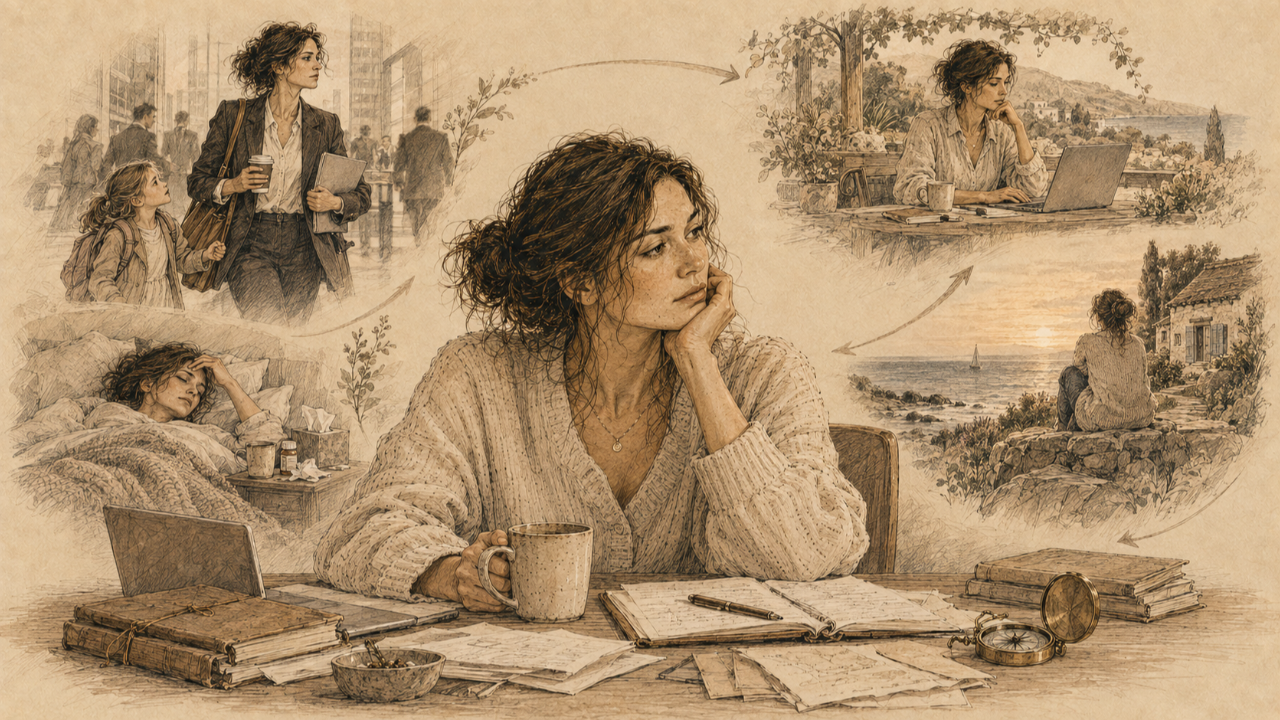
She is describing what it was like to grow up in a home where anxiety was always present. Nobody had to say something might go wrong because she could feel it in the room. They worried about money, worried about decisions, and even good moments carried the sense that something could still go wrong.
She remembers deciding that her own children would not grow up feeling that way. They would feel safe. They would not carry the same constant anticipation that had lived in her body for as long as she could remember.
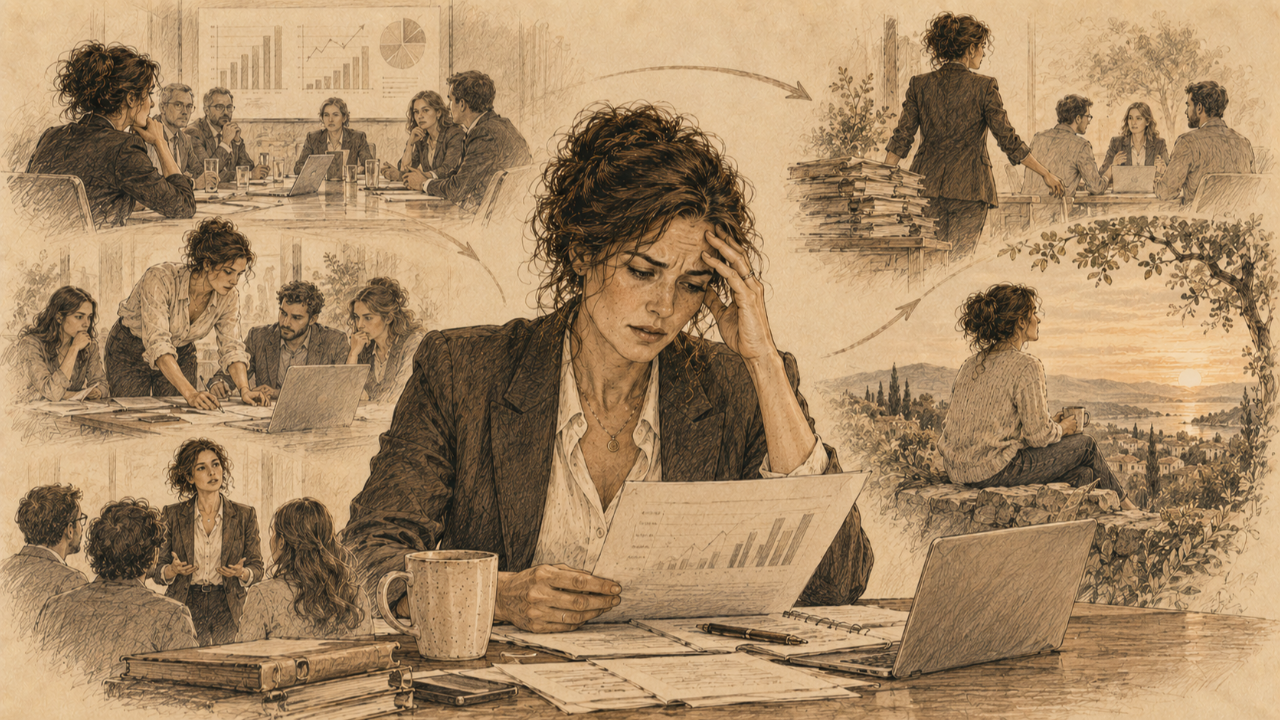
She built her life around that promise by becoming capable, organised and dependable. She planned ahead because being prepared felt safer than being caught off guard.
Years later, she began to notice something in one of her children. The questions were small at first: “Is everything okay?” “Are you sure we can afford that?” “What happens if this goes wrong?” Then she noticed how her child watched her face when plans changed and looked for reassurance before they could relax.
That was when she saw it: the feeling she had spent her adult life trying to protect them from was right in front of her, living in her children.
Her children were loved, and she had created a far more stable life for them. She had done so many things differently, yet the anxiety had been passed on.
Her eyes filled as she said, “I know exactly what this feels like. I did not want them to feel this, and I can see it in them.”
That is the pain of recognising something you consciously decided would stop with you.
The same recognition appears in other ways; the father raised by an unavailable workaholic hears his own child say, “You are always working.” The mother determined not to recreate her parents’ marriage realises most conversations with her partner have become about logistics. We decide to do it differently and years later find ourselves staring at a version of it again.
“This ends with me.”
Then comes the stark realisation: perhaps it has not.
Yesterday was Heritage Day in South Africa, and it got me thinking about what we mean when we talk about inheritance.
We usually think about heritage in terms of what we can see and name: language, food, traditions, stories and history. There is another type of inheritance that is much less visible.
We inherit agreements.
Every family, community and culture develops collective agreements about what matters, what creates belonging and how people make sense of the world. We grow up inside those agreements long before we have the awareness to examine them.
A child does not need to be told that safety depends on anticipating everything that could go wrong if they repeatedly experience the adults around them doing exactly that. Nobody needs to explicitly teach them that love is expressed through sacrifice if the people they depend on continually put themselves last.
Over time, those collective agreements can become personal identity agreements about who I need to be to remain safe, loved, valued, accepted, or okay.
The difficulty is that we pass on not only the values we consciously choose. We also communicate the agreements we still live by because, at a brain level, that identity agreement becomes a prediction: if I am this kind of person, this is what will keep me safe, loved, valued, accepted, or okay.
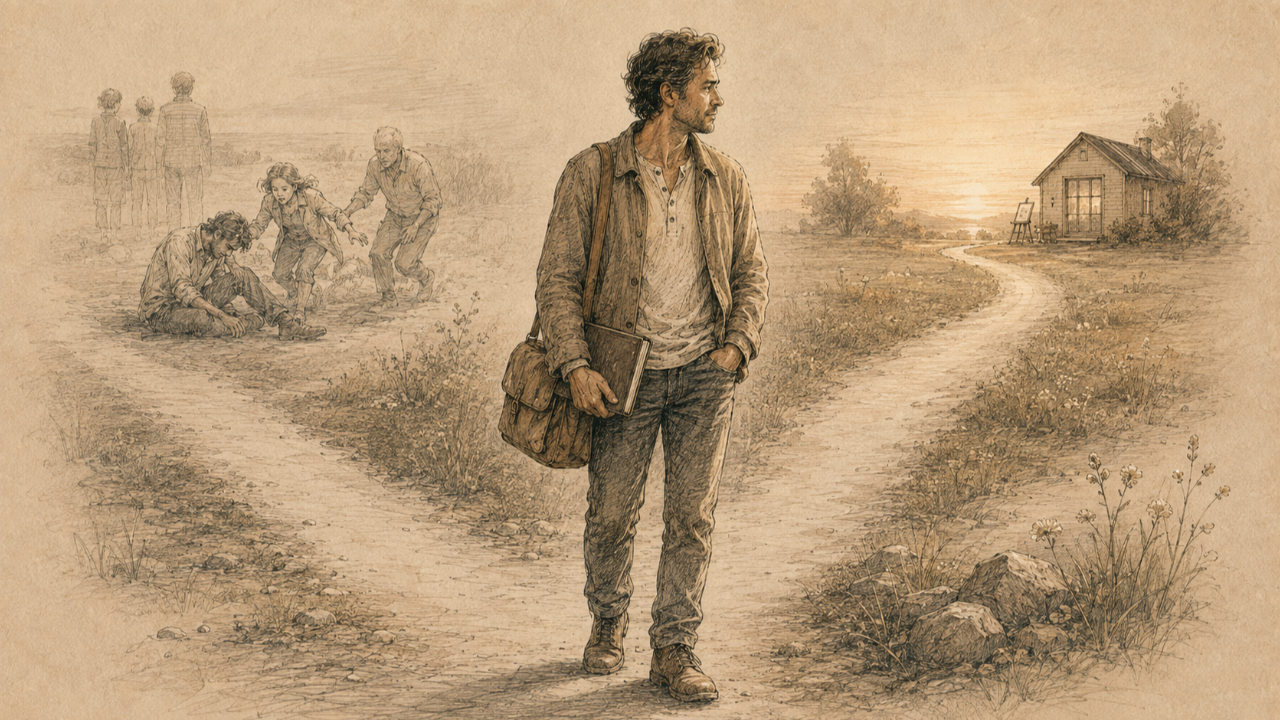
“This ends with me” is a powerful decision. The heartache comes when you realise that the decision has not been enough.
You can see the history clearly and name what you do not want to repeat. In many ways, you have already built something different from what you knew before, whether that means creating more financial security, being more present with your children or choosing a very different kind of relationship. Yet despite all that conscious change, something about what is happening now can still feel painfully familiar.
That is the point at which the question becomes difficult to ignore: if I can see it, understand where it came from and genuinely want something different, why am I still recreating it?
Awareness of the behaviour is not always enough. What is much harder to see is the identity agreement underneath it, the agreement that may still be organising your choices long after you consciously decided that the outcome should stop.
Heritage is what continues through us, consciously or unconsciously.
Where that inheritance carries courage, generosity, resilience and a sense of where we come from, it deserves to continue. Some of what we inherit requires us to become more conscious about what we are still agreeing to, especially the parts we have spent years promising ourselves would end with us.
If you have had your own “this ends with me” moment and you can still see the same recurring cycle appearing in your work, relationships, money, leadership or parenting, you may already know far more about the behaviour than you think.
What you may not yet be able to see is the agreement driving it. That is the work we begin in a Neural Mapping session.
“This ends with me” is a powerful decision. The work is discovering exactly what needs to end.
Book your complimentary Neural Pattern Mapping session
Much love,

P.S. If you know someone who has said "It ends with me" and is still struggling, feel free to forward this newsletter to them. It may be exactly what they need.

Responses