
It is one of the most confusing experiences of identity change.
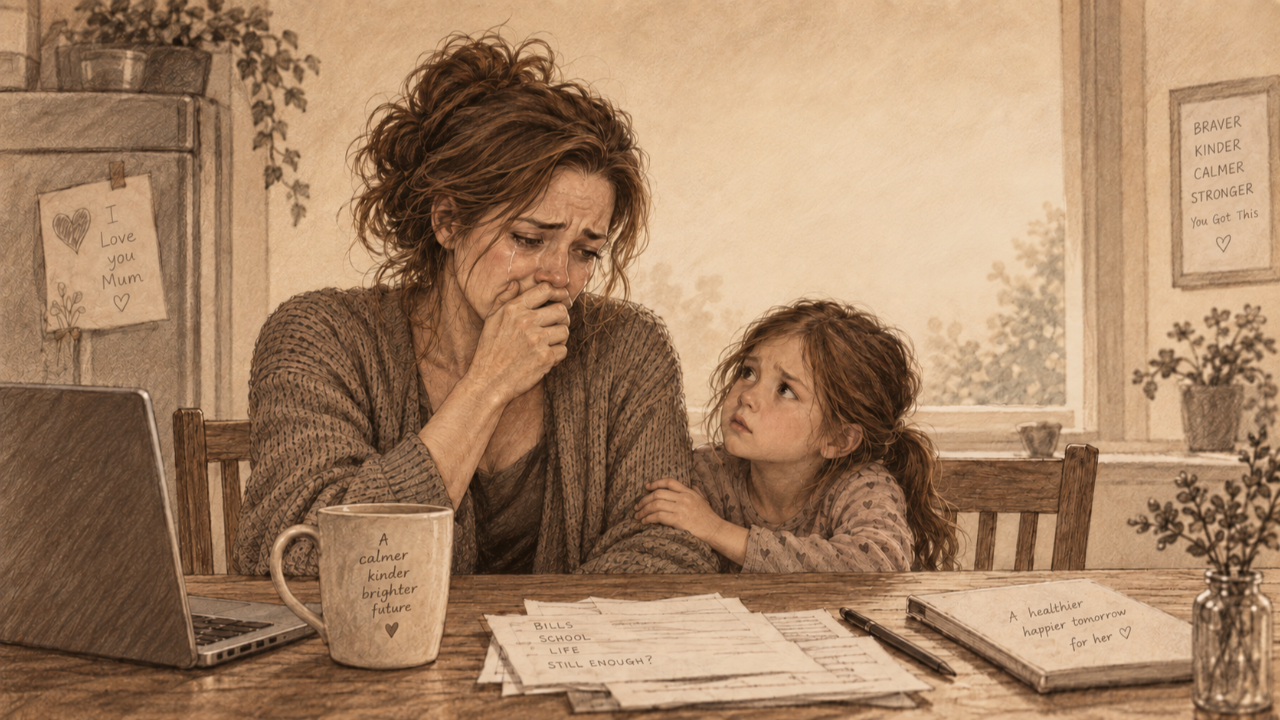
You can know that the change you are making is right for you. You can feel excited about who you are becoming and recognise that your old way of being can no longer support the life you want to create. At the same time, you can experience a very real sense of sadness, loss or grief.
That sadness may be evidence that the change is becoming real.
Becoming someone new also means releasing aspects of the person you have been, the role you once played and the future you previously imagined for yourself. Even when you are moving towards something better, your brain still has to process what you are leaving behind.
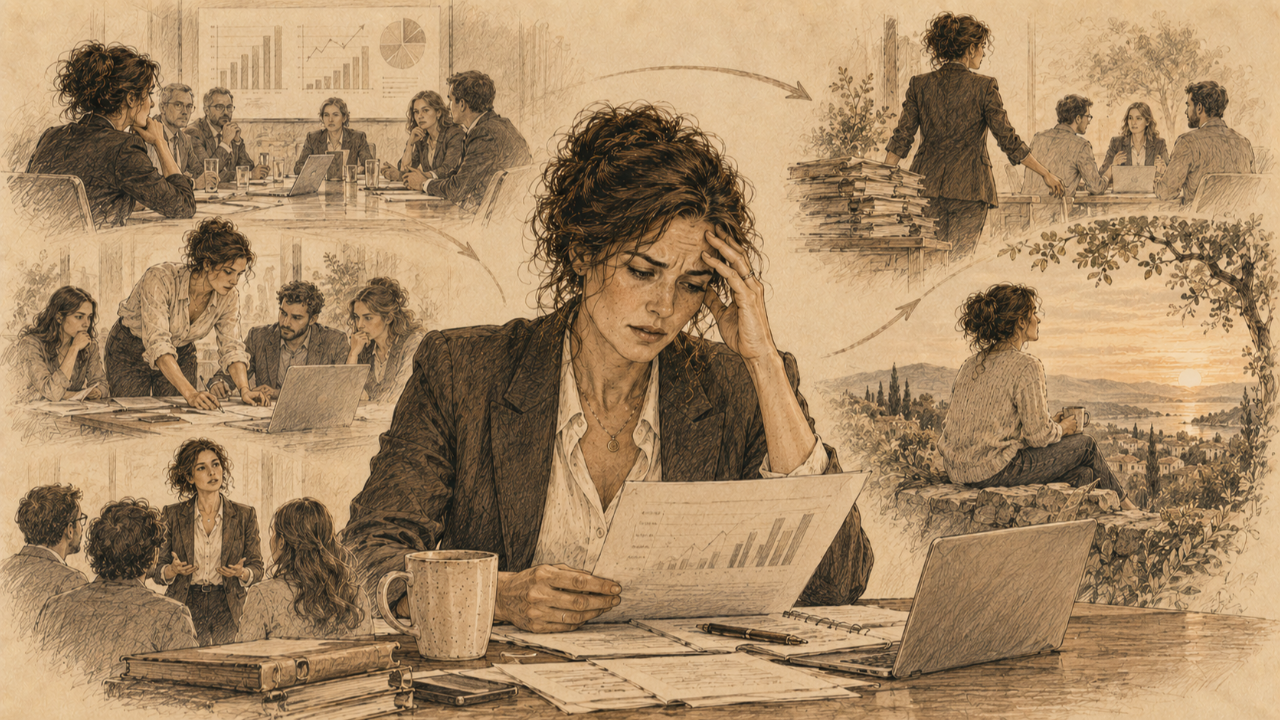
Perhaps you recognise the strange contradiction of feeling ready for the next chapter while still grieving the one that is ending.
That grief may be connected to the version of you who knew how to belong in certain rooms, who understood what was expected or who had become very skilled at keeping the people around you comfortable. It may be linked to relationships that functioned because you remained in a familiar role, or to a future that once felt certain and now no longer fits.
From a neuroscience perspective, this makes sense.
Your identity acts as an organising framework through which your brain predicts who you are, how you are likely to behave, what is safe for you to want and how other people may respond to you.
Much of that framework was originally built through adaptation rather than conscious design.
Your early experiences, relationships, social feedback and repeated behaviours taught your brain which parts of you were welcomed, which behaviours helped you remain connected and which ways of being protected you from rejection, disappointment or conflict.
Those adaptations became familiar through repetition. Familiarity made them efficient for your brain to run and, over time, they began to feel like an inherent part of who you are.
Identity change asks your brain to update that familiar internal model.
As you begin to think, choose and behave differently, your brain has less certainty about what will happen next. It must use more energy to process new information, revise existing predictions and work out how this emerging version of you fits into the world.
At the same time, you may be losing something that genuinely mattered to you, even if you have outgrown it. That could be a role, a relationship, a sense of belonging, an imagined future or a previously reliable way of creating safety.
The grief that accompanies identity change can therefore be understood as part of your brain’s process of reorganising around a new reality. It can indicate that the change has moved beyond something you have merely thought about and is beginning to affect how you understand yourself.
This is often the point at which people conclude that the change must have been a mistake.
The old identity offers familiarity, predictability and an immediate reduction in uncertainty. Returning to it can create a sense of relief, which is easily mistaken for evidence that it was the right place to remain.
That relief may simply be your nervous system recognising something it already knows how to navigate.
The old identity feels safer because it is familiar, while the emerging identity is still gathering the lived evidence it needs to feel safe and familiar too. The grief sits in the space between the two, where the old identity is losing its authority and the new one has not yet become fully established.
When the change aligns with what you consciously want for your life, grief is often a sign that you are moving through the transition. It can be evidence that you are on the right path, at precisely the point when you are most tempted to conclude that you are on the wrong one.
Returning to the old identity may restore certainty. It also returns authority to the very version of you that you had begun to outgrow.
This grief space contains an extraordinary opportunity.
Your original identity was largely built in response to the people, experiences and circumstances around you. Your emerging identity can be built with far greater awareness and choice.
You now have the opportunity to decide which values, qualities and capabilities you want to carry forward, which former adaptations have completed their work and what you consciously want to practise becoming next.
Remaining present in this space allows you to make more deliberate choices. It gives you the opportunity to build an identity that is aligned with what matters to you now, rather than reaching for whatever restores the greatest sense of certainty.
If you are experiencing this, you may find it useful to ask yourself:
- What parts of my old self do I miss?
- What did this former identity help me to protect, preserve or belong to?
- Which qualities from that version of me still deserve a place in who I am becoming?
- What do I now want to choose deliberately?
You can honour the version of you who found intelligent ways to navigate the life, relationships and circumstances you had at the time. You can appreciate what that identity made possible while allowing what happens next to be shaped by what you are consciously choosing now.
The grief is understandable. It is expected. It may also be one of the strongest indications that the change is real and that you are standing in the rare space where identity can be built through choice rather than adaptation.
Much love,



Responses